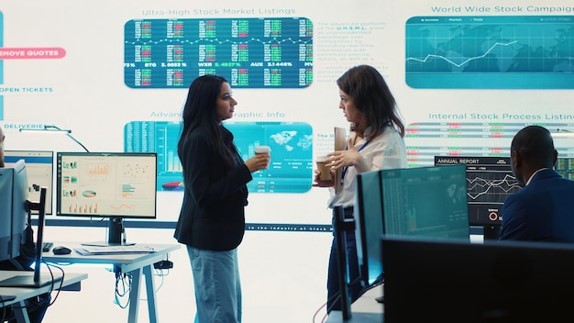
Every second, modern businesses produce huge streams of performance logs, network metrics, and user transaction records. Many organisations collect enormous amounts of data but never turn it into insights that can guide leadership decisions. Making sense of all that raw information takes powerful data processing tools. Leaders need clear visibility to deal with daily operational bottlenecks and plan confidently for future growth.
Advanced IT analytics solutions in Saudi Arabia help organisations process large volumes of performance data in real time. With accurate reporting, management teams can make decisions based on solid evidence rather than gut feeling.
Uncovering Bottlenecks Through Automated Infrastructure Tracking
Operational delays often come from hidden infrastructure problems that slip past routine daily checks. Network congestion, ageing hardware, and slow applications quietly drain staff productivity and frustrate customers. Manual audits simply can’t keep up with fast-moving workloads spread across multiple branch offices.
Well-planned workflows for IT operations management in Saudi Arabia bring these underlying bottlenecks to light quickly. Centralised diagnostic tools analyse event data continuously, highlighting performance drops before they affect revenue-generating services.
- Real-Time Performance Polling: Track CPU usage, memory thresholds, and disk queues across every connected server.
- Automated Traffic Anomaly Detection: Spot unusual bandwidth spikes that slow down core business applications.
- Predictive Hardware Failure Alerts: Get maintenance warnings before critical hardware components fail completely.
Streamlining Workflows with Centralised Management Frameworks
Using separate software tools in each department creates unnecessary admin work and communication gaps. Technical teams lose valuable hours moving data between incompatible spreadsheets and monitoring consoles. Bringing core administrative functions together on one platform removes these friction points.
Professional IT management solutions in Saudi Arabia combine service desks, network monitoring, and endpoint administration in a single workspace. Streamlined workflows reduce friction and help teams resolve problems faster across the business.
- Unified Console Visibility: See every critical infrastructure health indicator from one central dashboard.
- Automated Ticket Routing: Send support requests straight to the right engineering team.
- Standardised Policy Enforcement: Apply configuration updates to all company devices at the same time.
Core Pillars of Data-Driven Operational Efficiency
Long-term operational maturity depends on four core analytical capabilities built into your IT environment. Each one supports smooth workflows and better, data-backed decisions.
Establishing Performance Baselines
Continuous monitoring defines what normal looks like for applications and servers, so unusual behaviour stands out straight away.
Correlating Cross-Domain Metrics
Linking network traffic data with server response logs helps teams find the real root cause of complex technical failures quickly.
Generating Executive Reports
Automated dashboards turn complex technical logs into clear financial and operational metrics that leadership can easily review.
Optimising Resource Allocation
Analytical insights help organisations right-size cloud and hardware resources and stop paying for capacity they don’t use.

Harnessing Predictive Analytics for Proactive Risk Mitigation
Waiting for systems to fail before acting leads to avoidable downtime and financial loss. Predictive analytics looks at historical patterns to spot emerging risks before they turn into serious outages. By watching for subtle declines in application speed or disk space, teams can schedule preventive maintenance at the right time.
This proactive approach turns IT from a reactive repair crew into a strategic guardian of uptime. Catching problems before users notice them keeps services reliable and protects your reputation.
- Degradation Pattern Analysis: Identify gradual slowdowns that often come before a full application failure.
- Capacity Exhaustion Alerts: Forecast when disks and storage will fill up based on current usage.
- Threat Vector Projection: Use past security event data to anticipate common attacks on specific parts of the network.
Driving Cross-Departmental Collaboration Through Shared Data
Information silos make it hard for departments to work together on digital transformation. Marketing, finance, and technical teams often keep separate data sets that rarely line up with shared business goals. A unified analytics platform breaks down these barriers by giving every stakeholder a single, reliable version of the truth.
When teams work from the same data, friction drops and collaboration improves significantly. Shared dashboards help each department align its targets with the wider business strategy, so everyone is working towards the same long-term goals.
- Common Metric Dashboards: Set standard KPIs that meet the needs of both financial and technical managers.
- Workflow Transparency: Let teams across departments follow incident progress without chasing status updates.
- Informed Joint Decision-Making: Support planning meetings with objective metrics that every business unit can see.
Enhancing Customer Experience Through User Behaviour Analytics
Healthy infrastructure matters for user experience, but truly understanding customers means looking at how they actually use your applications. User behaviour analytics tracks navigation patterns, page load times, and the points where users most often run into problems. These insights show why customers struggle with certain workflows and where technical teams should focus their improvements.
Improving digital experiences based on real behaviour data leads to better customer retention and higher adoption rates. Happy users bring the recurring revenue that sustains long-term business success.
- Navigation Journey Mapping: Visualise how customers move through your applications and where they drop off.
- Response Time Impact Studies: Connect page load speeds directly with customer abandonment rates.
- Feature Usage Audits: Find out which features deliver the most value based on how often users actually engage with them.
Accelerating Strategic Business Planning and Growth
Leadership decisions improve dramatically when long-term investments are based on precise historical usage trends. Analytics platforms forecast future capacity needs accurately, helping prevent infrastructure crashes during peak seasons. Planning shifts from reactive budgeting to proactive digital transformation.

Organisations that make good use of operational intelligence gain a real competitive edge in fast-moving regional markets. Data-backed planning makes sure technology investments deliver strong returns and support sustainable growth.
- Capacity Forecasting Models: Predict future hardware needs based on historical growth trends.
- Cost Optimisation Tracking: Find underused software licences and server instances to cut overhead costs.
- Service Level Agreement Compliance: Monitor performance metrics to make sure internal quality standards are met.
Empowering Internal Teams Through Actionable Insights
Technical staff often burn out from constant alerts and manual troubleshooting. Intelligent analytics platforms filter out routine noise and give engineers a focused list of high-priority insights. Automated reporting also cuts down on admin work, leaving more time for strategic innovation projects.
Clear analytics dashboards support ongoing skill development and build confidence across teams over time. When technical teams are properly equipped, IT stops being a reactive support desk and becomes a real driver of business success.
Conclusion
IT analytics is essential for any modern business that wants to remove operational inefficiencies and make better strategic decisions. By turning performance data into actionable intelligence, leadership can allocate resources more effectively and accelerate growth. For organisations working towards operational excellence, Trust Information Technology offers the certified implementation expertise and ongoing support needed to turn digital vision into reality.
FAQs
How does IT analytics improve business decision-making?
IT analytics processes large volumes of operational data to deliver accurate, real-time insights, so leadership can base strategic choices on verified performance metrics rather than guesswork.
Why is automated infrastructure tracking important for enterprises?
Automated tracking quickly identifies hidden network bottlenecks, high latency, and failing hardware, helping prevent unexpected downtime and protect revenue.
What benefits do organisations gain from centralised IT platforms?
Centralised platforms break down operational silos by bringing service desks, monitoring tools, and endpoint management into a single console, which reduces admin overhead and speeds up incident resolution.
How do analytics tools reduce operational expenditures?
Analytics platforms closely track resource utilisation, helping organisations spot underused hardware and software licences so they can cut wasteful spending.

Recent Comments