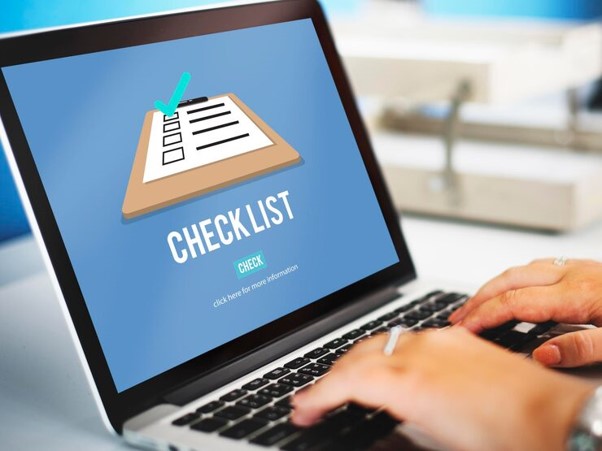
As businesses across Saudi Arabia continue to adopt cloud platforms, connected systems, remote working, and digital services, cybersecurity has become an important part of everyday IT management. A structured security compliance checklist helps organizations protect sensitive information, control access to critical systems, identify vulnerabilities, and respond effectively to security incidents. Rather than treating compliance as a one-time exercise, enterprises should build security practices into their regular IT operations and review them as their technology environment evolves.
1. Review Identity and Access Controls
Access management is one of the first areas organizations should review when developing a security compliance program. Identity and access management in Saudi Arabia practices can help businesses establish appropriate permissions, authentication policies, role-based access, and regular access reviews. Employees should only have access to the applications and information required for their responsibilities. When an employee changes roles or leaves the organization, access should be updated or removed promptly to reduce unnecessary exposure.
2. Secure Privileged Accounts
Administrative accounts can provide extensive control over applications, servers, databases, and network infrastructure, making them an important security priority. Privileged access management in Saudi Arabia can help organizations control and monitor these high-level accounts through measures such as multi-factor authentication, credential management, approval workflows, and session monitoring. Regular reviews should also be conducted to identify inactive accounts and remove permissions that are no longer required.
3. Centralize Security Event Monitoring

Security teams need visibility across the organization’s technology environment to identify unusual activity and investigate potential incidents. A SIEM solution in Saudi Arabia can centralize security logs and events from multiple systems, making it easier to identify patterns that may otherwise be difficult to detect. Centralized monitoring can also support incident investigations by providing teams with a clearer view of what happened, when it occurred, and which systems or accounts were involved.
4. Strengthen Endpoint Security
Laptops, desktops, mobile devices, and other endpoints can introduce security risks when they are not properly managed. Organizations should establish consistent policies covering device configuration, patching, application management, malware protection, and unauthorized software. For businesses with operations extending into Egypt or other regional markets, maintaining consistent endpoint policies across locations can make security management more efficient while helping IT teams maintain visibility over company-owned devices.
5. Maintain Directory Security
User directories often serve as the foundation for authentication and authorization across an enterprise. Regular reviews should cover user accounts, security groups, permissions, inactive accounts, and authentication policies. Active Directory management in Saudi Arabia can support better control over directory environments by helping IT teams maintain accurate user information and reduce unnecessary permissions. Automated processes can also make routine administrative tasks more consistent and reduce the possibility of human error.
6. Keep Systems and Applications Updated

Unpatched software can leave organizations exposed to known vulnerabilities. A compliance checklist should therefore include a documented patch management process covering operating systems, applications, network devices, and other critical infrastructure. IT teams should maintain an up-to-date asset inventory and prioritize security updates according to risk. Unsupported applications should also be identified and replaced or upgraded where necessary.
7. Establish an Incident Response Plan
A strong security program should prepare the organization for incidents rather than focusing exclusively on prevention. Businesses should define clear procedures for detecting, reporting, investigating, containing, and recovering from security events. Employees should know how to report suspicious activity, while technical teams should understand their responsibilities during an incident. Regular simulations can help identify gaps in communication and response procedures before a real security event occurs.
8. Protect Business Information
Sensitive business information should be classified according to its importance and protected through appropriate controls. Organizations should consider encryption, secure storage, backup procedures, access restrictions, and data retention requirements when developing their information security policies. Critical data should also be backed up regularly, with recovery procedures tested to confirm that important systems and information can be restored when required.
9. Document Compliance Activities
Security controls should be supported by clear documentation. Businesses should maintain records of security policies, access reviews, vulnerability assessments, system changes, security incidents, employee training, and remediation activities. Good documentation provides useful evidence during audits and allows management to understand how security controls are being maintained. It also helps IT teams maintain consistency when responsibilities change or new systems are introduced.
10. Conduct Regular Security Reviews
Cybersecurity compliance requires continuous attention because technology, threats, and business requirements change over time. Organizations should schedule periodic reviews of user permissions, privileged accounts, endpoint controls, security monitoring, vulnerabilities, and incident response procedures. Businesses working across Saudi Arabia, Egypt, and other markets should also keep track of relevant requirements affecting their operations and update internal controls when necessary.
Conclusion
A practical security compliance checklist gives enterprises a structured way to protect their systems, information, users, and business operations. By combining appropriate security controls with regular monitoring, documentation, employee awareness, and periodic reviews, organizations can create a more resilient IT environment. trust arabia supports businesses with technology and security expertise designed to help organizations manage their IT environments effectively while addressing their evolving operational requirements.

Recent Comments